
Step 6. On Budget
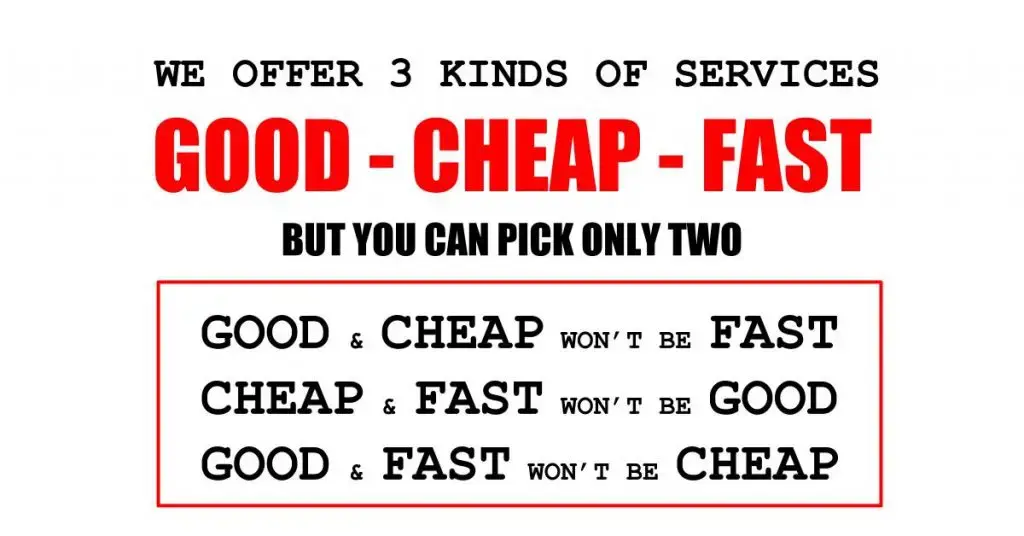
Ideally the budget is set as early as the brief. But many creative projects that use emerging technology need a discovery phase first, researching different options before a more accurate budget can be agreed. Here we look at ways to budget a creative project, and at tools for tracking time and effort.
Here are some typical costs for a small to medium-sized creative project, which should ideally appear in a quote or ‘statement of work’:
- Artistic direction
- Producer time
- Project management time: typically 10–50% of the overall labour cost, depending on how complex the project is, how many stakeholders are involved, and so on
- Supplier services
- Material costs
- Equipment hire
- Venue hire or rent
- Transport and packaging
- Marketing and PR
- Travel expenses
- Insurance and licences
- Contingency: 10% of the overall budget should cover those unknown unknowns
To get subtotals for these costs, break the project down into tasks and subtasks, so you can estimate the time and resources needed more accurately. Here’s what that could look like:
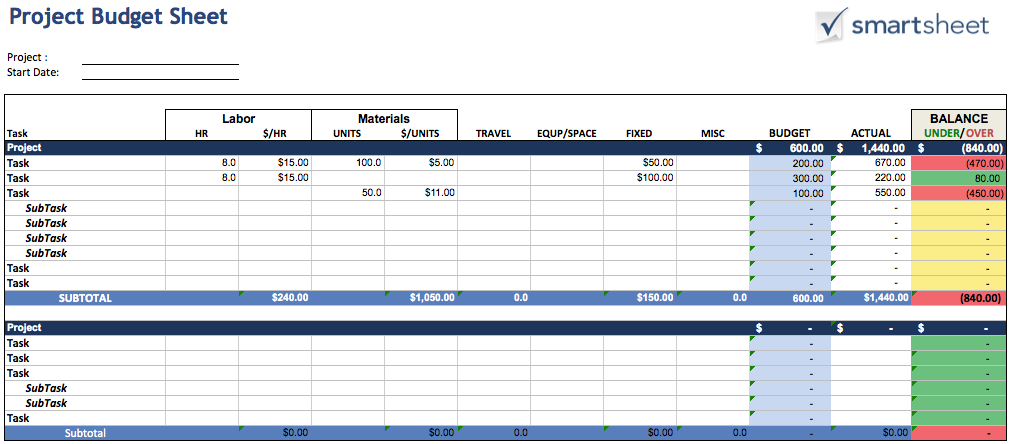
If you haven’t come across Smartsheet yet, it’s worth a look. The software itself is paid, but the Smartsheet resource page has plenty of free templates for project budgets, time tracking, timelines and more.
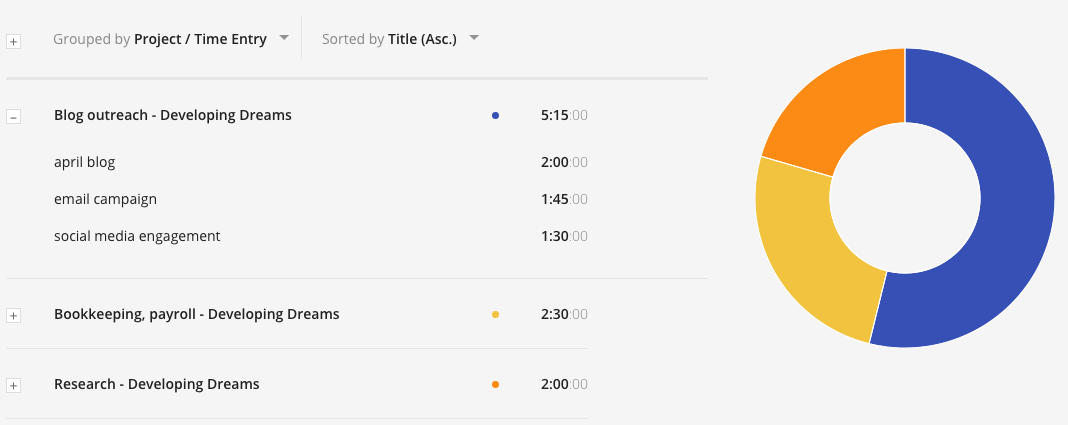
Once you’ve agreed a budget that includes guesstimated times for tasks, start tracking how long they actually take. Next time you’ll have figures based on reality rather than guesswork, or you can warn your project sponsor that more budget is needed. There are various free time-tracking tools. One of my favourites is Toggl: you can track time per task, team, project or client, and create beautiful charts of what you and your team have spent your valuable time on. Here’s an example of a Toggl report, which you can also export as a PDF or CSV and attach to an invoice:
If you’re short of time and would like Developing Dreams to help you put together a project budget or timeline, or even help with some of the deliverables, what are you waiting for? Get in touch!
This is part 6 of a 7-part series. Missed step 1? Read A Jargon Free Anatomy of a Creative Brief. Next up: Step 7: The Grand Finale.