
Step 2: The Art of Brainstorming
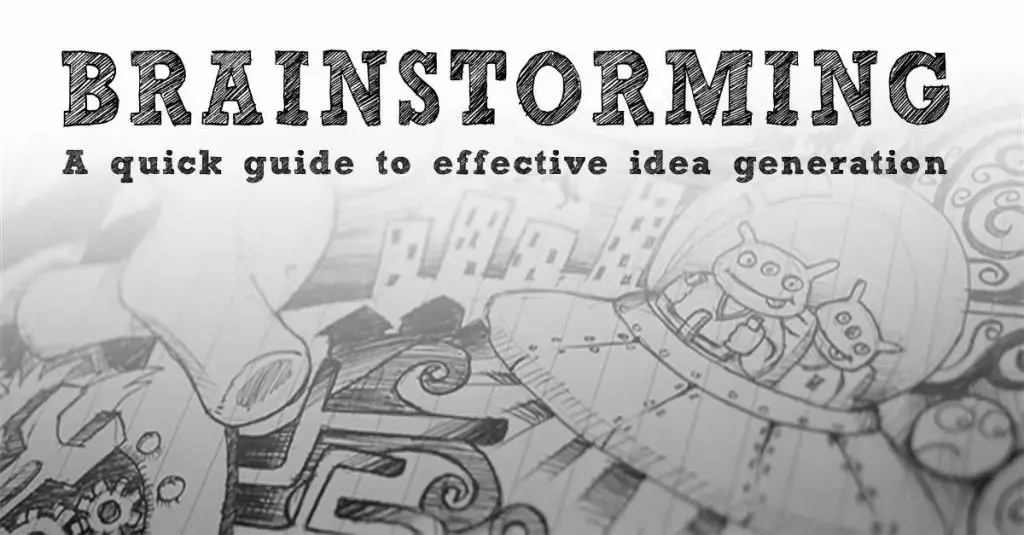
Brief in hand, you’re basking in golden sunshine, looking over an uninterrupted vista. Now you just need to start throwing ideas out there. But they need to be good, complete, on target and new, right? Wrong. This is a wilderness and you can make of it what you will. Ideas are ephemeral; at this stage you only need to capture glimpses. The most important rule is to have no rules: keep the ideas coming without judging them. Here are our top tips for generating ideas. Welcome the weird and wonderful ones.
This is part 2 of a 7-part series. Missed step 1? Read A Jargon Free Anatomy of a Creative Brief.
1] Step Outside The Box
Sometimes the best ideas come when part of your mind is busy with something else, which quietens the inner critic. You spend hours at the same desk in the same surroundings, so shake up the status quo. If you’re indoors, put some music on (instrumental is good), chill out on the sofa instead of your usual office chair, head to a coffee shop, or make it a stand-up meeting.
Even better, hit the road: take a walk, get by the sea or out in nature, immerse yourself in a cityscape, hop on a bike, or go to a climbing wall or basketball court. Ideas are all around you, so break from the norm and get inspired. Use a notebook or your phone’s voice recorder to capture ideas, undiluted, as they come.
2] Be A Scribbler
If you’re not venturing out, at least get away from your computer. Grab a bunch of different Post-its and start scribbling and sticking them on a giant noticeboard or a wall. Treat yourself to coloured pens, craft supplies and nice stationery. Sit somewhere you don’t usually sit and be a kid again. Doodle, scribble, capture ideas in a few words, laugh, have fun, and let the fragments come together later to inspire the whole.
Alternatively, have one person capture ideas in notes and drawings, then share a copy with everyone. And encourage people to scribble ideas down while others are talking, even if they don’t get the chance to raise them there and then: someone else’s flow is often what sparks them.
3] Team Up
Some people prefer brainstorming on their own, and some even make a case that it’s more effective, but many prefer working together. It’s great to arrive with your own ideas, but a team brainstorm develops them by bouncing them between people and adding different perspectives. A diverse group is good. Make sure there’s no judgement and no hierarchy. Silly ideas are good, sensible ones are good, wild and wonderful ones are even better: it’s all about quantity, not quality. Don’t expect the perfect idea to arrive fully formed. These are light sketches, and many will be discarded or shelved for another day or project. If you need to prepare in advance, here’s a good list of tools for business brainstorming and collaboration, upvoted by entrepreneurs.
4] Let Go
Much creative thinking starts with two simple words: ‘what if…’. Embrace the ridiculous, the utterly fantastic, the weird and wonderful. Remember what it was like to be a kid, building flying machines out of cardboard boxes and jet thrusters out of empty bean tins, totally convinced they would take you to the moon. You’re laying the foundations for an awesome idea, but the richness of the journey matters as much as the destination.
5] Break it down
If the ideas come out early and in big chunks, and then the room goes quiet, it’s time to iterate. Go back to an idea and look at it closely. What makes it interesting? What can you add? How can you improve it? What is its essence, and how can you draw that out? A facilitator helps here, as does throwing more ‘what if…’ questions at it.
6] Democratise
It may just be human nature, but in a large group you’ll often find one person keen to dominate, or a few people generating most of the ideas, while others don’t get, or don’t take, the chance to speak. If that happens, try getting everyone to write ideas down beforehand, then go round the room so everyone has a turn. Just make sure nobody feels put on the spot.
This one is a bit radical, but have you noticed how people’s personas change online, especially when they’re anonymous and don’t fear repercussions? Whatever the size of your team, why not hold an anonymous, no-holds-barred online brainstorm that separates each idea from whoever came up with it? Plenty of online whiteboard and polling tools let people post ideas anonymously.
7] Facilitate
An experienced facilitator setting the agenda can help you fix your targets early, so you can then let the arrows fly. The target can be as simple as ‘what symbol would represent this brand well, and why?’ or ‘how can we make our soap/carrot juice/mashed potato memorable through advertising?’ A good facilitator can mine rich seams that might otherwise be overlooked, and ease things back on track when they stray. Brainstorms usually run for a set time, so dividing it up in advance keeps things moving at a nice pace, with no endless empty gulfs to fear.
8] Game on
Instead of plonking everyone in front of the task and expecting them to lay golden eggs while the awkward silence grows, try an unrelated warm-up. Make it silly, funny, short and sweet. For example, give everyone 3 minutes to answer ‘what’s the weirdest use for a hairbrush?’ (or a lemon, or a jelly, or just about anything). Gamifying the start lets people loosen up and enjoy the sublime and ridiculous, so by the time you reach the real task, the barriers to joining in have already gone.
The main things to remember are:
- have fun,
- find inspiration from a diverse range of sources,
- aim for quantity over quality, and
- put a gag on that inner critic that says the idea is too silly.
As Albert Einstein succinctly put it: “Play is the highest form of research.”
Happy brainstorming…
Next up: Step 3: Capturing the Idea.
If you need a hand writing a creative brief, or would like Developing Dreams to help bring your idea to life or run a brainstorm, get in touch.