
Autonomous AI: The Future is Here
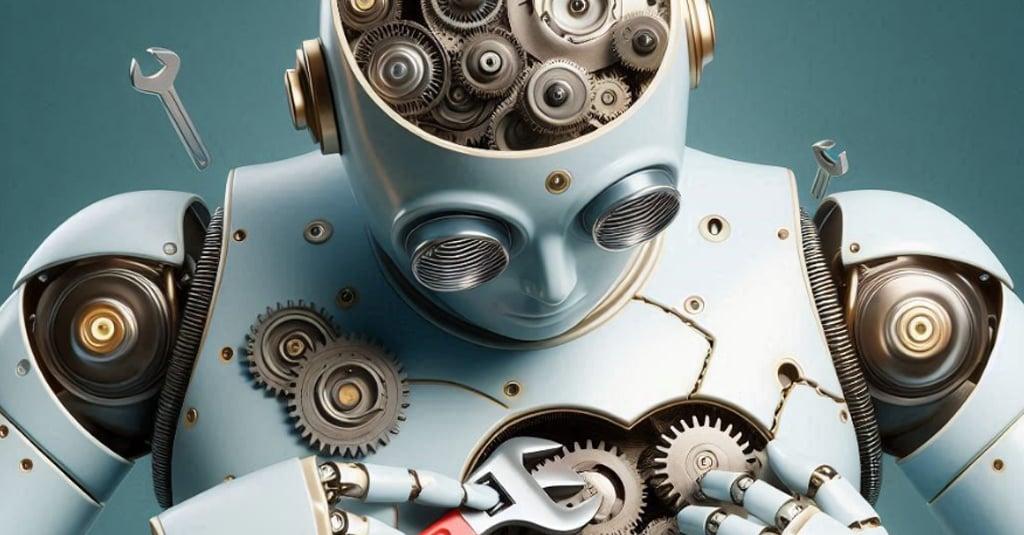
As we stand on the cusp of a new era in technology, autonomous AI is rapidly transforming from science fiction into reality. These self-governing systems, which are capable of adapting to dynamic situations without constant human intervention, are revolutionizing industries and reshaping our world.
AI is expected to add a staggering $15.7 trillion to the global economy by 2030, according to PwC forecasts1. This economic impact is already visible, with 37% of companies using AI reporting that it has replaced workers who were “no longer needed” in 20232.
Can machines really ‘learn’ by themselves?
We are already at a point where AI can evolve through collective experience, make data-driven decisions, and work collaboratively to solve complex problems3.
Let’s look at the principal techniques that make machines able to adapt and develop without constant human intervention:
Reinforcement Learning: Through trial and error using iterative cycles, rewards and penalties, AI behaviour can optimise its own behaviour.
Machine learning algorithms: Due to their ability to harvest and rapidly examine vast amounts of data, AI can predict outcomes and make decisions based on historical data, quite literally learning by the mistakes or successes or others.
Multi agent systems or swarm intelligence: By combining the power of multiple AIs they are able to collaborate and increase their own knowledge and learning potential as well as solve problems more efficiently.
We have already leaped the chasm whereby an improvement in the quality of a computer program was only possible through human intervention and huge teams of engineers. An autonomous AI is able to perform multiple tasks in a row based on its own perception of the aims and goals, thereby essentially making its own decisions.
Real-World Applications
Autonomous AI is already being integrated into existing large data systems, and we can expect them to be implemented throughout many of the large industries due to the potential to save costs and time.
For example, in transportation: Self-driving vehicles could perform tasks such as deliveries using AI to optimise routes, delivery times, and calculate optimal fuel efficiency and safety.
In healthcare AI is already revolutionizing diagnostics, treatment planning, and drug discovery due to its ability to analyse huge amounts of past data. The AI market in cancer diagnostics alone is projected to grow at a CAGR of 40.1% from 2021 to 20283.
One of the first areas to be affected by robotic automation, manufacturing processes have been singled out as a huge area which autonomous AI can optimise, potentially reducing trial costs by up to 70% and shortening timelines by as much as 80%3.
The Human-AI Symbiosis
As AI becomes more autonomous, the role of humans is also evolving. In 2025, we’ll see the rise of “AI teams” which are specialized AI agents working together under human supervision. These teams will tackle complex problems in healthcare, education, and finance, with humans providing high-level guidance and focusing on creativity and critical thinking3.
Challenges and Considerations
The rise of autonomous AI brings significant ethical considerations, ensuring transparency, fairness, and accountability in AI decision-making is crucial.
Further considerations include safety and reliability (developing robust systems that can handle unexpected situations safely is a top priority), and job market transformation.
While some jobs may be displaced, new opportunities are emerging. In 2025, 91% of companies using or planning to use AI will hire new employees, with 96% stating that AI skills will be beneficial for candidates2.
The Future is Now
As we look further into 2025 and beyond, the potential of autonomous AI is boundless. From AI health concierges offering personalized medical recommendations to AI-powered sustainability solutions addressing climate change, the future promises unprecedented innovation and efficiency3.
The journey of autonomous AI is just beginning, and its impact will be felt across every aspect of our lives.